
Horowitz Center for Health Literacy
The Center provides research, education, and service to improve health literacy at the individual, family, community, organization, and society levels. We aim to advance health literacy in Maryland and nationwide.
Four resources ground our work: Healthy People 2030 health literacy definitions, Federal Plain Language Guidelines, CDC's Clear Communication Index, and Culturally and Linguistically Appropriate Services (CLAS) standards.
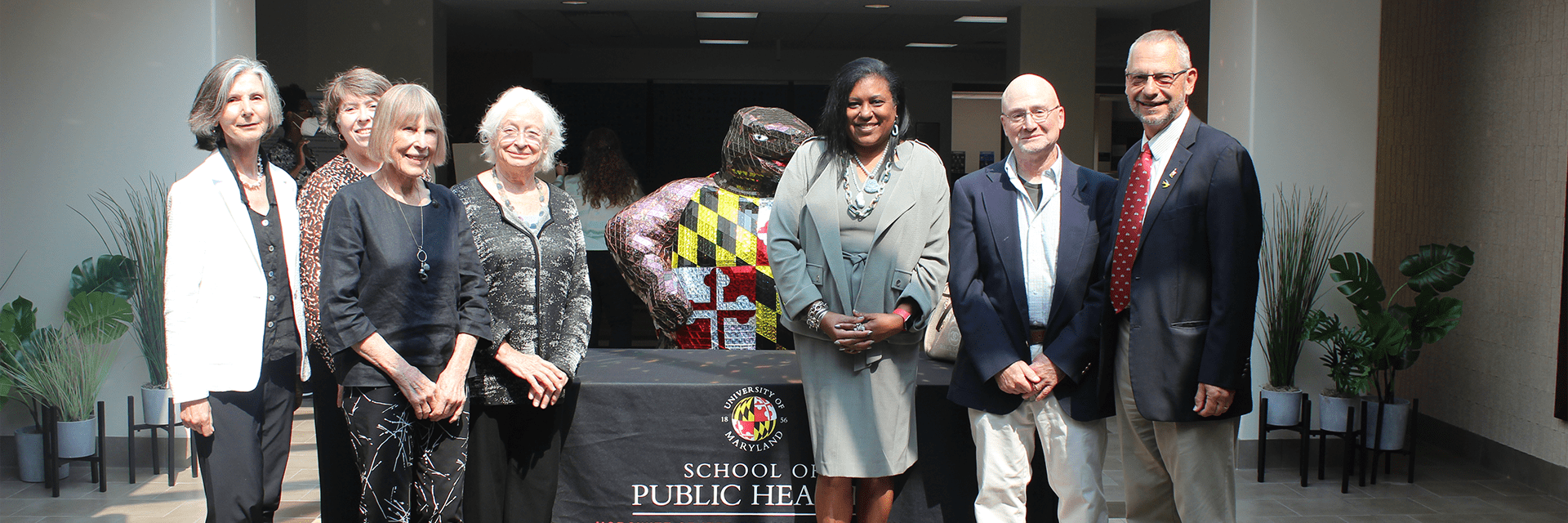
The Center was endowed and honors the legacy of Dr. Herschel S. Horowitz, a prominent scientist, educator, and public health advocate.
Upcoming Events
May 6, 2024 @ 10am | Eschew Obfuscation: Recognizing and Eliminating Jargon
Jargon may sound fancy, but it gets in the way of connecting with your audience. This session is a deeper dive into jargon, which was introduced in our Plain Language Basics webinar. Click here to register!
June 3, 2024 @ 10am | Language Access: Working with Translators and Interpreters
Details and registration coming soon!
July 1, 2024 @ 10am | Get to the Point with Active Voice
Using active voice energizes your writing and makes information clearer to your audience. Learn to identify passive voice and revise it to active in this deep-dive webinar. Click here to register!
Why Health Literacy is a Core Educational Competency
Chancellor Jay Perman, MD
Dr. Perman recorded the video below to open the first-ever meeting of University System of Maryland (USM) campus representatives to discuss health literacy educational activities. He explained his own experience seeing health literacy issues up close as a practicing pediatric gastroenterologist and the significance of health literacy as part of a USM education. The USM group intends to meet twice a year to share information and best practices in health literacy education and student opportunities.
Horowitz Center COVID-19 communications work
The Center provides health literacy and risk communication expertise on COVID-19. We use mass and social media, public presentations, community outreach, and expert consults.
Latest News


Featured Projects
HealthyMe/MiSalud
The Center is funded by NIH to develop and test HealthyMe/MiSalud, a smartphone application in English and Spanish to help African American and Hispanic adults set health goals, ask questions, and get personalized information about common health conditions and preventive services.
Diabetes Prevention
The Center leads and participates in multiple diabetes prevention projects in Maryland. We work with the Maryland Department of Health, local health departments, and Local Health Improvement Coalitions to implement the Maryland Diabetes Action Plan.
Oral Health
The Center leads and participates in many projects to educate the public, providers, and policymakers about oral health diseases and conditions and how to prevent them.